
you don't need a title to make the trades safeR
you don't need a title to make the trades safeR
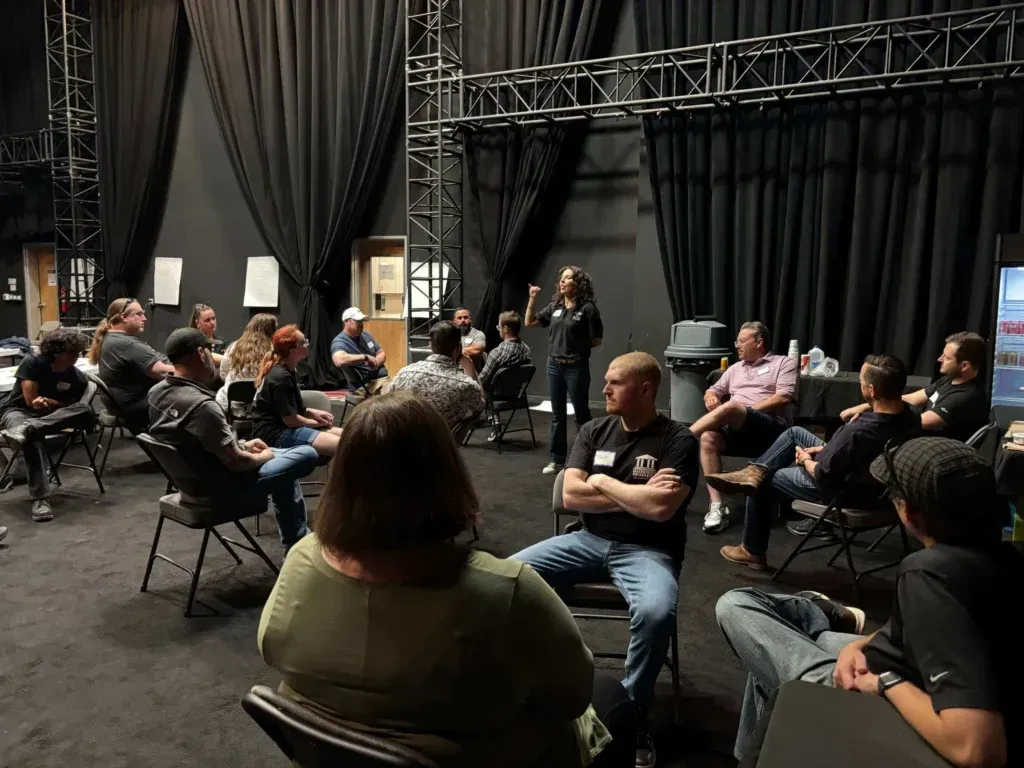
If you work in the trades, odds are that you’ve known someone who has been hurt or killed on the job. In 2023 alone. 5,283 people went to work and didn’t come home. It’s a sobering figure, documented in the AFL-CIO’s annual Death on the Job: The Toll of Neglect report, which tracks the state of worker safety and health protections across the country.
It doesn’t have to be this way.
You may be thinking, I’m not the boss, so what can I do? If so, I’ve got news for you: while it’s ideal to see change at the organizational level, change doesn’t have to start at the top.
Ideally, an organization will decide to prioritize leadership and safety. But if that doesn’t happen, there are ways you can make a difference. Change often starts with people doing the work, people like you.
Real leadership isn’t about your title or how many people report to you. It’s about how you show up every day, and how you treat the people working beside you. When your fellow workers know what to expect from you, that you’re steady, honest, and paying attention, they’ll feel both physically and psychologically safer. And people who feel safe are much more likely to speak up about potential hazards.
So how do you build that kind of trust without a title? It starts with four things.
SELF AWARENESS
How you show up emotionally affects the people around you more than you might realize. When someone on the crew is unpredictable or reactive, people shut down. They stop asking questions and hesitate to flag problems, and that’s when accidents happen.
When you have self-awareness, you’re better able to understand your own thoughts and feelings and how they affect those around you. Others will look to you for guidance, knowing that you are someone they feel safe around because you are calm and consistent. Getting honest with yourself and your impact on others is one of the most practical investments you can make in job site safety.
CONSIDER OTHER PERSPECTIVES
One of the most dangerous assumptions on any job site is that one person has all the answers. Intentionally seek out input from others and stay open to other perspectives. The apprentice who just started might notice something a veteran has stopped seeing. A veteran worker will know the “why” behind how things are done. Someone working a different part of the job might have information that changes your approach entirely.
When you genuinely invite input instead of dismissing it, you create an environment where people feel safe raising concerns before they become incidents. That openness can help save a life.
SHARE YOUR STORY
If you want to build trust with someone, you’ve got to be real with them. You don’t have to share your life story, but being human with your coworkers matters. Acknowledging when something didn’t go as planned, or sharing a lesson from a close call, gives the people around you permission to be honest, too. And honesty on a job site saves lives.
People speak up about unsafe conditions when they trust they won’t be dismissed for doing so. Relatability builds that trust faster than almost anything else.
FOLLOW YOUR OWN
CODE OF CONDUCT
Your coworkers are paying attention to whether you do the right thing when no one is watching, so decide on your own moral code. That integrity (or the lack of it) shapes the culture of the crew more than any policy or procedure. When people know they can count on you to make the right call, it creates a sense of stability that goes beyond any single task.
That stability is the foundation of psychological safety, and psychological safety is what gets people home at the end of the day.
Safety culture isn’t something that trickles down from a manager’s office. It’s built into every interaction, every conversation, and every decision made out in the field. When you commit to these qualities, you become someone others orient around. You set the standard, regardless of your title.
LEAVE A REPLY
Your email address will not be published. Required fields are marked *
RUGGED TRAINING GROUP
CUSTOMIZED TRAINING AND ONBOARDING SOLUTIONS
FOR CORPORATIONS, WAREHOUSES, AND INDIVIDUALS
OSHA authorized trainers providing customized onboarding, safety, skills, and leadership training for trades industries Las Vegas and nationwide. We offer flexible, real-world instruction for teams and operators.
RUGGED TRAINING GROUP, LLC
Serving the Las Vegas Metro Area & Nationwide


© 2024 - 2026 Rugged Training Group, LLC. All Rights Reserved.